Sewage Mold Remediation in Brucetown, KY
Mold and unsalvageable sewage-soaked materials are removed from floors, walls and basements in Brucetown. Call 24/7 to start your backup assessment and cleanup.
- Sewage source assessed first
- Containment and HEPA filtration
- Removal, cleaning and drying
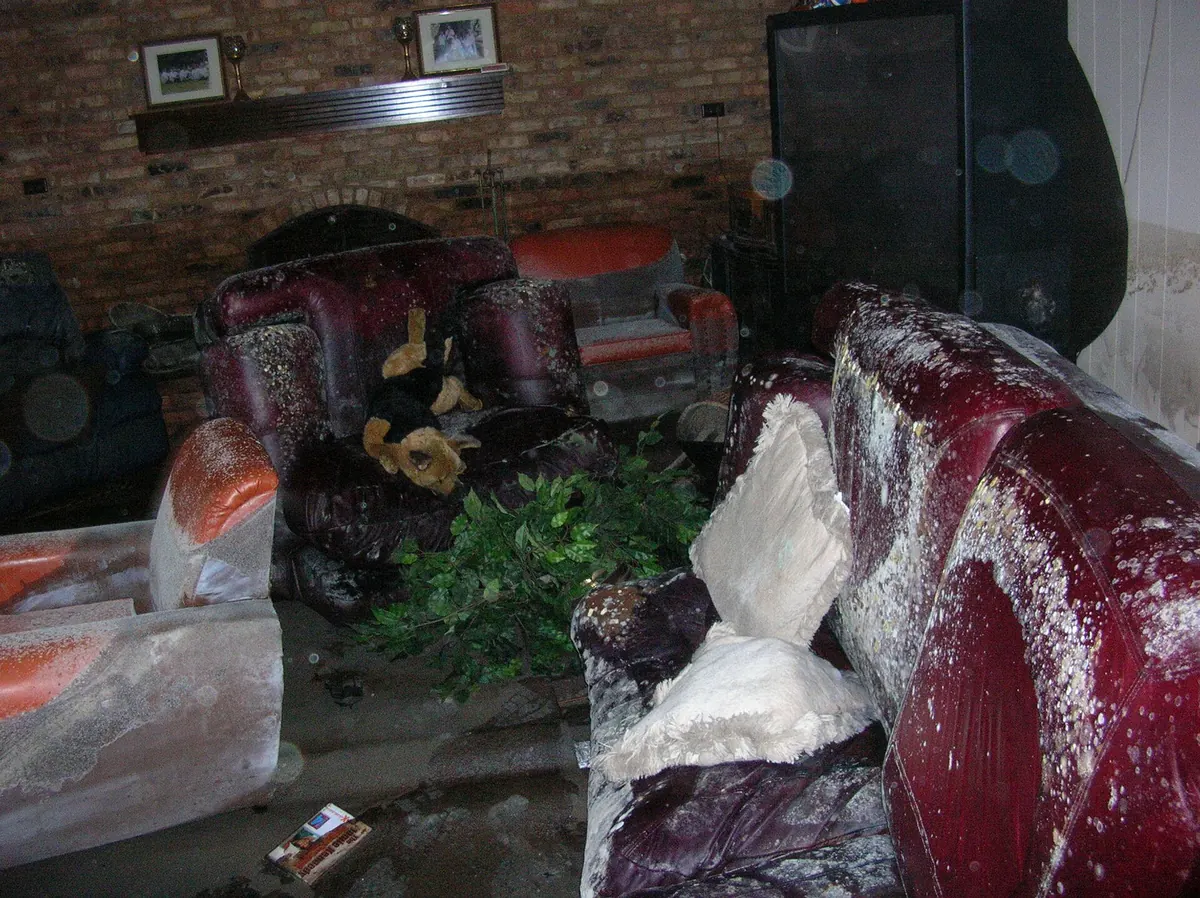
Sewage Mold Remediation Services in Brucetown
Your cleanup removes mold and contaminated materials after a sewer backup, drain backup or toilet overflow. Floors, wall cavities and basement rooms are assessed before removal.
Your wet flooring is checked for hidden layers beneath it. Within containment, sewage-soaked carpeting and wet drywall beyond salvage are taken out. Reachable non-porous surfaces get cleaned; sound framing is evaluated for structural drying.
Your work scope documents the removal and extraction work along with cleaning, drying and disinfection. Separate entries identify replacement finishes and plumbing correction so outstanding water damage is not hidden by new materials.
- Sewer and drain backup assessment
- Contaminated carpet and drywall removal
- Floor cavities and framing checks
- Contained cleaning and HEPA filtration
- Drying and final condition checks
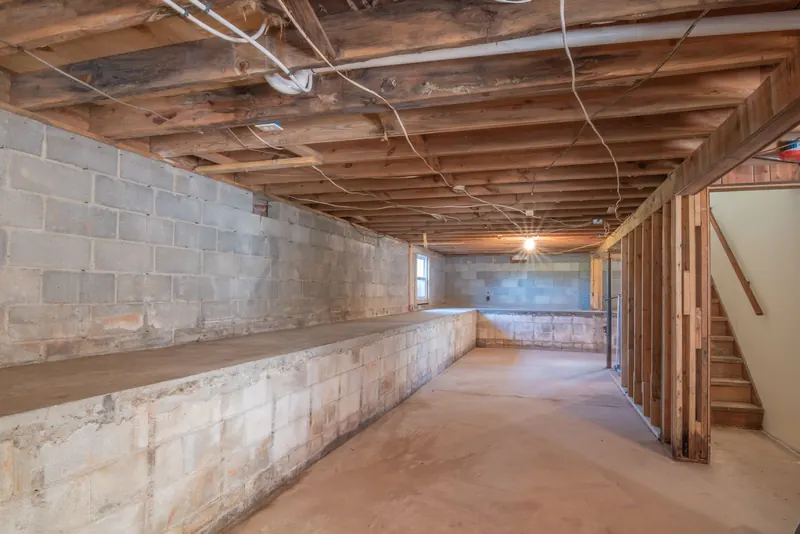
Recognizing the Need for Sewage Mold Cleanup in Fayette County
Once pooled water is gone, growth, wet finishes or a lingering odor still call for a backup assessment.
Mold After Sewage Backup
Your lower walls, baseboards or flooring edges show growth following the retreat of contaminated water.
Sewage Beneath Finished Flooring
You may have contamination below the surface if flooring buckles, trim swells or seams stay damp.
Wet Walls After a Toilet Overflow
Soft wall bases or wet carpet outside your bathroom can mark a wider affected area.
Growth After Earlier Water Extraction
You find spots behind furniture or beside basement walls on materials kept after the water was extracted.
Musty Odor Around Your Floor Drain
Persistent odor alongside dampness around a drain backup warrants checks of both materials and the source.
Sewage Mold Cleanup Across Greater Lexington: The Work Explained
Your job moves from source assessment through contained removal, cleaning, drying and final checks.
Sewage and Moisture Assessment
Checks follow your water path. A moisture meter enables moisture mapping; a thermal imaging camera directs inspection but does not identify mold.
Source Correction and Scope
Assessment covers your drain, sewer or septic fault and identifies the plumbing repairs required. Removal limits and restrictions on entry are established in your scope ahead of work.
Containment and Water Extraction
Poly sheeting forms a containment barrier. During extraction of standing contaminated water, particle control relies on a HEPA air scrubber and negative air pressure.
Contaminated Material Removal
Inside containment, bags hold sewage-soaked insulation and carpet along with drywall that cannot be saved. Removal exposes hidden layers beneath floors and behind walls for assessment.
Surface Cleaning and Disinfection
Your cleanable surfaces are cleaned, then disinfected as specified. Using antimicrobial treatment leaves contaminated material removal necessary; a HEPA vacuum collects the dry debris.
Controlled Structural Drying
Your drying stage uses air movers with a dehumidifier after materials are removed and cleaned. Moisture readings track remaining framing, subfloors and cavities.
Final Checks and Reopening
Containment removal follows cleaning, drying and post-remediation verification. Specified clearance testing falls to an independent assessor before you close cavities with replacement materials.
Your Sewage Mold Remediation Choice: Lexington Mold Cleanup
Calls Answered 24/7
One number starts your sewage cleanup across the metro, including nights and weekends.
Clear Scope Before Work
Your pre-work explanation covers cleaning, water extraction and drying, plus plumbing or finish repairs as separate tasks.
Sewage Source First
Tracing the backup and examining affected materials during your assessment comes before setting removal limits.
Contained Sewage Removal
Containment around your work area pairs with HEPA filtration to restrict particles from spreading during removal.
Cleaning Through Final Checks
Exposing hidden layers and checking drying and cleaning happen before your containment is dismantled.
Your First Steps Before Sewage Cleanup in Brucetown
Keep clear of the contaminated area and call to arrange your assessment.
- Keep people and pets away. Keep your clean rooms clear of sewage-soaked possessions.
- Avoid standing water. Keep clear of wiring, outlets or electrical equipment exposed to water.
- Stop using affected fixtures. More water may enter if you keep using fixtures before correcting the backup source.
- Leave materials undisturbed. Do not brush growth, lift contaminated carpet or cut wet drywall.
- Avoid spreading particles. Do not use suspect HVAC equipment or blow fans directly at mold.
Brucetown Sewage Mold Cleanup Cost
Your sewage cleanup price varies with access, affected materials and contamination. Published costs describe separate parts of the work; extracting black water alone does not cover full mold cleanup or rebuilding.
Contaminated water cleanup, average
$7.50 per square footSource: Servpro, Sewer Backup Cost (checked 2026-10-23)Sewer backup cleanup and restoration
$2,000 to $10,000 per jobSource: Servpro, Sewer Backup Cost (checked 2026-10-23)Black water extraction
$7 to $7.50 for each square footSource: Fixr, Water Damage Restoration Cost (checked 2026-10-23)What Changes Sewage Cleanup Cost in Brucetown
- Affected square footage and spill depth
- Disinfection and drying
- Contaminated water category
- Repairs to the sewer pipe itself
- Discarding porous materials that cannot stay
The Price of Your Sewage Cleanup
These published national ranges are planning figures. Your on-site assessment defines the work and price before cleanup starts, including any separate source repairs or rebuilding.
Call (844) 352-3560 about costSewage Mold Remediation Service Area Across Greater Lexington
Call (844) 352-3560 to arrange cleanup in Brucetown or nearby communities. One number covers the metro.
Sewage Mold Remediation in Locations Near Brucetown
ZIP codes
Answers to Sewage Mold Remediation Questions in Brucetown
In Brucetown, how long should you allow for sewage mold cleanup?
Assessment of access, affected materials and the route water took determines your schedule. Opening layered floors or wall cavities involves different tasks from taking out carpet. Track drying through moisture readings. Replacement finishes, source repairs and concluding checks also influence when your rooms become usable again.
What has to come out after sewage reaches your floors?
Sewage-soaked carpet, pad, insulation and damaged drywall may need removal. Intact tile and fixtures may allow cleaning, but assessment extends to joints and materials below those surfaces. Your removal area reflects damage and contamination. Where effective cleaning and drying are possible given its condition, wood framing may stay.
Will your sewer or drain fault get corrected as well?
Your backup cause is examined, with required corrective work defined together with cleanup. Your scope must list septic work, drain clearing or sewer repair for those tasks to be included. Separate plumbing work is identified before starting. Replacement of clean finishes follows correction of the moisture issue and final checks passed by affected materials.
In Fayette County, what will your sewage cleanup cost?
Pricing follows an on-site evaluation covering your contaminated space, the materials in each layer and required drying. The cost cards published above list the units and sources used. Full cleanup, extraction and restoration each involve different tasks. Your scope separates these tasks and any sewer repair or rebuilding before the price is agreed.
Can you stay home during sewage cleanup?
Staying home depends on whether clean living areas, working bathrooms and an access route remain separate from the contamination. Your assessment establishes restrictions before removal begins. Your household needs, shared ventilation and the size of the backup influence this choice. For some jobs, you must live elsewhere until the work and essential repairs have finished.
Does cleaning a sewer backup stop mold from returning?
Mold can return if the backup source or trapped moisture remains. Your cleanup includes assessment of the drain, sewer or septic problem and affected building layers. Your remaining surfaces are cleaned and dried after necessary removal of contaminated materials, before repairs seal the surfaces in. Source correction helps prevent repeated water intrusion.
Should mold testing happen before or after you remove sewage?
Visible mold often does not need air sampling under EPA guidance. Your inspection follows moisture and contamination past the patch you can see. An independent assessor conducts specified clearance testing following cleaning and drying. A mold sample cannot on its own verify that sewage contamination is addressed; no federal limit sets acceptable indoor mold levels.
Your Kentucky Insurance and Sewage Cleanup
What your homeowners insurance covers depends on policy terms and the cause, plus mold coverage limits, your deductible and coverage for water backups. Rebuilding, plumbing fixes and cleanup may each get a different coverage decision.
Safety Considerations for Sewage Mold Throughout Greater Lexington
Sewage contamination calls for professional cleanup even when the visible mold patch is small.
Contaminated Belongings
Affected fabrics, boxes and furniture are assessed before movement through clean areas.
Particle Control
Using HEPA filtration alongside containment restricts mold spores from spreading while removal proceeds.
Sewage Exposure
Cleaning precautions and protective equipment depend on where your water originated.
Concealed Contamination
Layers beneath a finished floor are not proven clean by the surface appearance.
Cleanup scope: You should not treat sewage cleanup as homeowner work based on EPA small-area guidance for about 10 square feet. Mold from sewage or contaminated water calls for professional help.
Sewage-Damaged Materials in Fayette County
Your removal scope separates cleanable surfaces from materials that cannot be salvaged.
Non-porous surfaces
- Undamaged tile, metal and glass undergo cleaning, with checks of the material underneath.
Porous materials
- Sewage-soaked carpet, pad, insulation and damaged drywall may need disposal.
Wood framing and subfloor
- Cleaning and drying may suit sound wood; removal may be necessary where deterioration or unreachable contamination exists.
Sewage Cleanup Timing in Fayette County
Your timeline depends on fixing the source, removing materials, drying and completing repairs before reuse.
- Access: Floor layers and wall cavities can extend the removal work.
- Drying: Moisture readings determine when remaining materials are ready for repairs.
- Reopening: Your rooms return to use on a schedule affected by replacement finishes and final checks.
Sewage Odor and Humidity in Fayette County
Drain and material inspections, along with moisture checks, investigate your ongoing smell. Fragrance cannot fix a backup's source or remove contamination.
Keep your indoor relative humidity under 60 percent, with 30 to 50 percent the ideal range recommended by EPA. Dehumidification helps control humidity; source repairs remain necessary.
Kentucky Sewage Cleanup Requirements for Your Property
Sewage Work Requirements
Kentucky has no state certification or license for mold remediation companies, according to the Attorney General's office. State rules (40 KAR 2:330) do set minimum standards such as a written contract and a written assessment and remediation plan, so homeowners can ask any contractor about training and experience.
EPA Drying Guidance
EPA recommends a drying window of 24 to 48 hours for water-damaged items and areas to prevent mold growth.
Repair Permits
Your plumbing, building or electrical tasks determine which permits the work requires.
State Mold Information
The Kentucky Cabinet for Health and Family Services, Environmental Management Branch, has a mold page with tips on humidity, cleanup and prevention. The page says the Cabinet has no authority over mold exposure or remediation.
State guidance: Kentucky Attorney General, Mold Remediation (Internet Archive copy, Oct 2024); 40 KAR 2:330 Mold remediation, Kentucky Legislature (Internet Archive copy, Sep 2026); Kentucky Real Estate Commission, KREC Form 402 Seller's Disclosure of Property Condition; Cabinet for Health and Family Services, Mold page (Internet Archive copy, Mar 2024)
Related Services and Next Steps
Start Your Sewage Mold Remediation in Brucetown
Call 24/7 to arrange your assessment. Your cleanup starts with the affected surfaces, moisture source and access to your home.