
Mold After Leaks and Water Damage in Lexington
Stop water before proceeding. To prevent mold growth, dry water-damaged items and areas within 24 to 48 hours, as the EPA advises.
- Check moisture before repairs
Get clear next steps for visible mold, a musty odor or moisture damage. Call any hour to discuss what got wet and what mold remediation may involve.
Your mold removal work involves containment of the affected area, identifying the moisture source, removing uncleanable material and drying whatever can stay.
Mold mitigation and mold cleanup refer to work related to mold abatement and mold remediation. Your scope should tackle the underlying water intrusion or humidity issue as well as damp materials and visible mold growth.
Porous drywall, ceiling tile and carpet may need disposal. Cleaning and drying are possible for many non-porous surfaces.

Materials and moisture determine how cleanup is planned.

Stop water before proceeding. To prevent mold growth, dry water-damaged items and areas within 24 to 48 hours, as the EPA advises.
Use your property type, room or moisture cause to choose. Guides to testing, costs and mold inspection are also available to compare.
For post-remediation verification, if required, use an independent assessor to avoid a removal company assessing the work it completed.
Look for affected materials, containment, drying, cleanup and repairs in the scope, along with possible reasons for price changes.
Find out how condensation, leaks or excess humidity will be located and fixed.
Avoid disturbing growth, save useful documentation and, if you can do so safely, stop the water.
Call (844) 352-3560These mold remediation steps follow this order: assess the area, contain it, remove damaged material, clean, dry and verify the work, then take containment down.
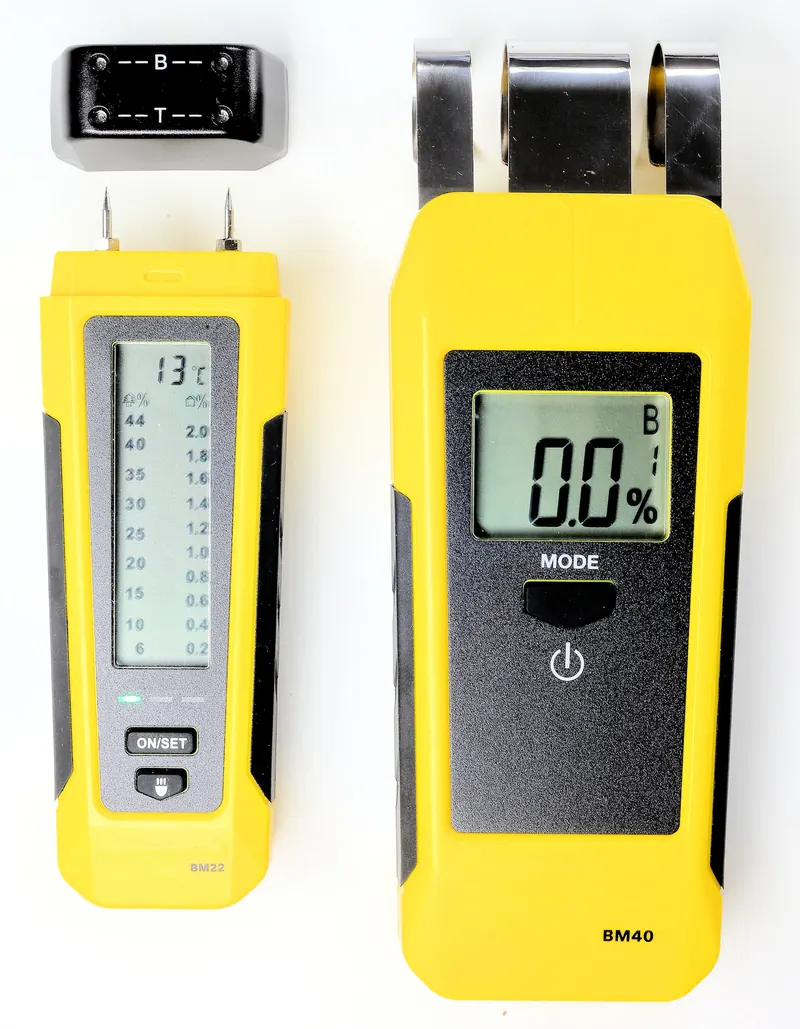
Locating the moisture source and affected materials involves a moisture meter, supplemented by a thermal imaging camera when useful.
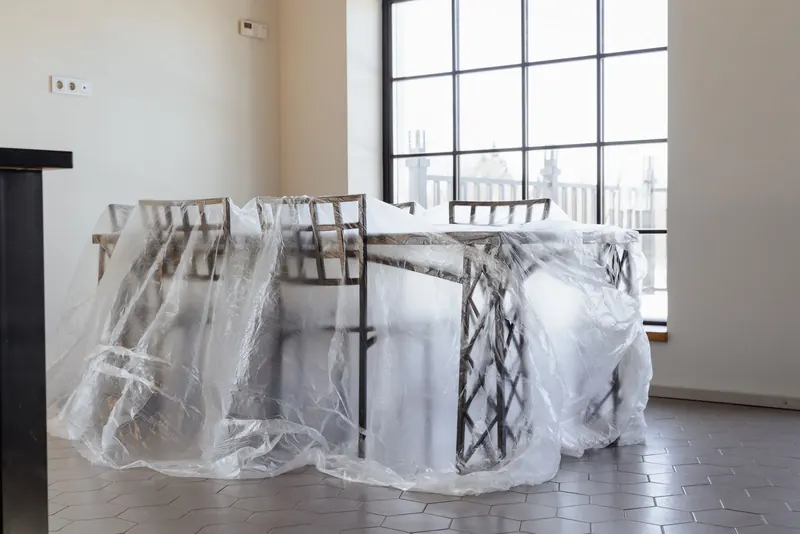
Poly sheeting forms a containment barrier. A HEPA air scrubber is an air filtration device that, with negative air pressure, limits particle movement into clean rooms.
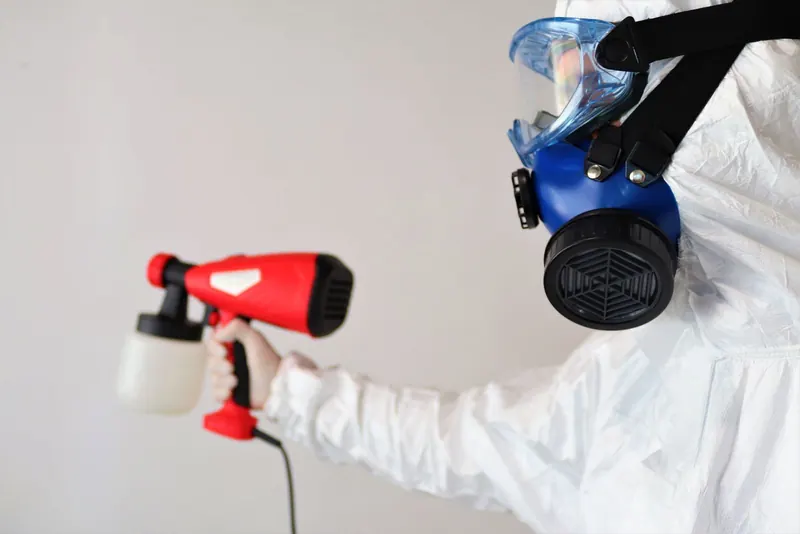
Workers make use of protective equipment. You may need drywall removal or demolition of other porous materials damaged by mold.
Clean remaining non-porous surfaces through damp wiping and use of a HEPA vacuum. Air movers, a dehumidifier and moisture readings guide drying.
For post-remediation verification, an independent assessor may check visually, conduct air sampling or perform clearance testing.
Call whenever you need. A mold cleanup specialist answers, explains the next steps and discusses the moisture problem with you.
Containment matters because disturbing affected materials can move mold spores and dust into clean rooms.
People use black mold and toxic mold as search terms. The CDC explains that the color of mold does not reveal the risk.
Your insulation, subfloor or framing could still be wet despite a surface appearing dry. Moisture readings help establish your affected area.
Some people experience allergy or asthma symptoms triggered by mold. Risk is higher for people whose immune systems are weak or who have asthma or lung disease, the CDC says.
Cutting drywall or pulling carpet can release particles. Negative air pressure and HEPA filtration help limit movement.
According to Fixr, the typical nationwide range for mold remediation is $1,500 to $9,000. The listed professional cost is $10 to $30 for each square foot on areas larger than about 10 square feet. Containment, drying, repairs and materials determine your price along with the affected area.
| More mold removal costs | Published range |
|---|---|
| Crawl space mold removal Source: Fixr, Mold Remediation Cost (checked 2026-10-23) | $500 to $2,000 |
Published national ranges are shown here, rather than a quote. An on-site assessment determines your actual price, and you should receive an explanation before the work begins.
Your policy and the moisture source determine insurance coverage. A sudden covered water event may qualify, while long-term leaks, humidity and neglect are commonly excluded or limited.
Ask about coverage for the water event, any mold sublimit, and insurance claim requirements before you have materials taken out.
The Kentucky Attorney General's office says it cannot force a landlord to fix mold. It points renters to county code enforcement or local housing departments, which can inspect rental properties and act on housing code violations.
Kentucky's Real Estate Commission publishes a Seller's Disclosure of Property Condition form that implements KRS 324.360 for most residential sales. The form asks whether the seller knows of mold or other fungi and about water or drainage problems.

After the water problem is fixed, occupants can often clean areas under about 10 square feet themselves, according to the EPA. HVAC involvement, contaminated water and larger affected areas require professional help.
Not sure? Call (844) 352-3560
Local housing figures describe the area, not the condition of your property. Plan access, moisture repairs and records around what an assessment finds.
Census ACS 2024 5-year (tables B01003, B25003, B25035, B09021 and B25024). Area estimates do not establish conditions at an individual property.
Your property needs its own assessment. The area figures do not establish the age or condition of your building. Plan access around the rooms and materials that need attention.
Keep dated photos and repair records. Ask who can authorize access, who will repair the moisture source and which records you should receive when cleanup is complete.
State guidance: Kentucky Attorney General, Mold Remediation (Internet Archive copy, Oct 2024); 40 KAR 2:330 Mold remediation, Kentucky Legislature (Internet Archive copy, Sep 2026); Kentucky Real Estate Commission, KREC Form 402 Seller's Disclosure of Property Condition; Cabinet for Health and Family Services, Mold page (Internet Archive copy, Mar 2024)
Mold removal services are available across the city and surrounding communities.
Mold risk is not revealed by color alone. Plan removal around materials, the affected area, containment requirements and the moisture source.
Mold can return if a leak, condensation or humidity problem remains. The remediation plan should identify the moisture source and explain drying and moisture control.
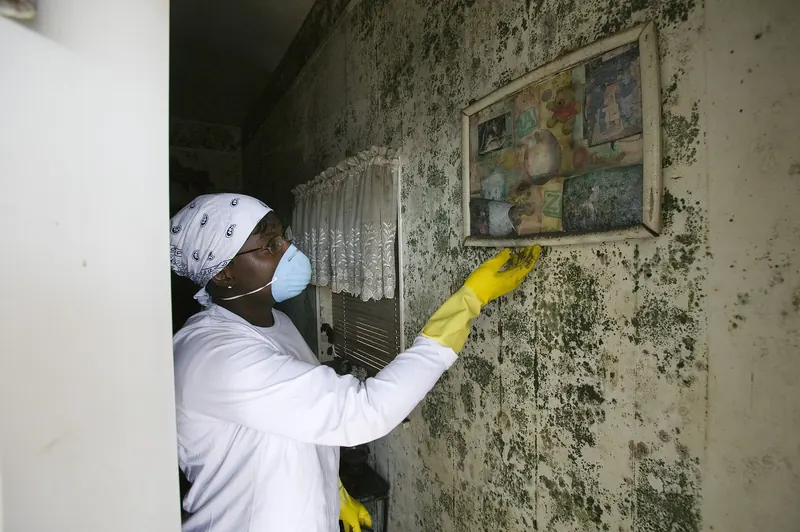
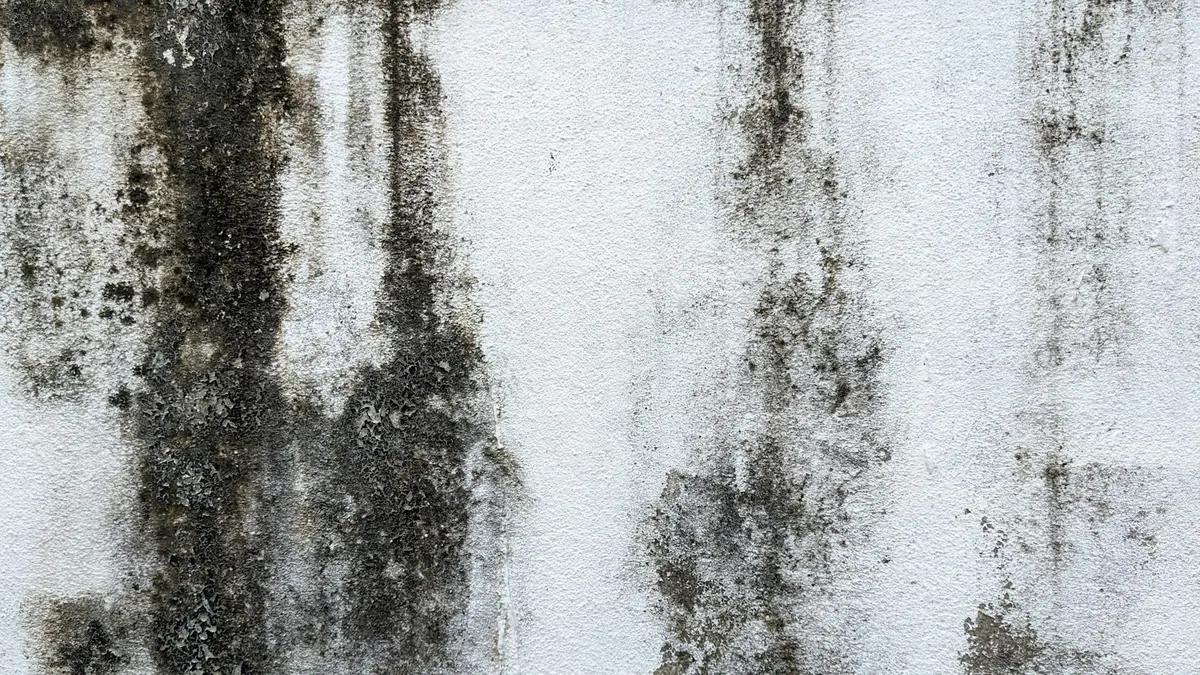
Look for visible growth, a musty odor and moisture signs near plumbing, roofs, windows and HVAC equipment. Damp material can be located during a mold inspection. Mold testing is not required in every case with clear growth and an evident water source.
Material removal and drying affect how long it takes, together with the affected area and repairs to the moisture source. Before starting work, ask about the order.
For areas above about 10 square feet, extensive water damage, sewage or contaminated water, or an affected HVAC system, EPA guidance points you toward professional help.
You can call 24 hours a day from across the metro area for help with moisture damage, musty odors and visible growth.