Flood and Storm Mold Cleanup in Brucetown, KY
Mold and damaged materials removed from rain-damaged interiors in Brucetown. Call 24/7 to start your assessment and cleanup.
- Flood moisture source checked
- Containment and HEPA filtration
- Removal through drying checks
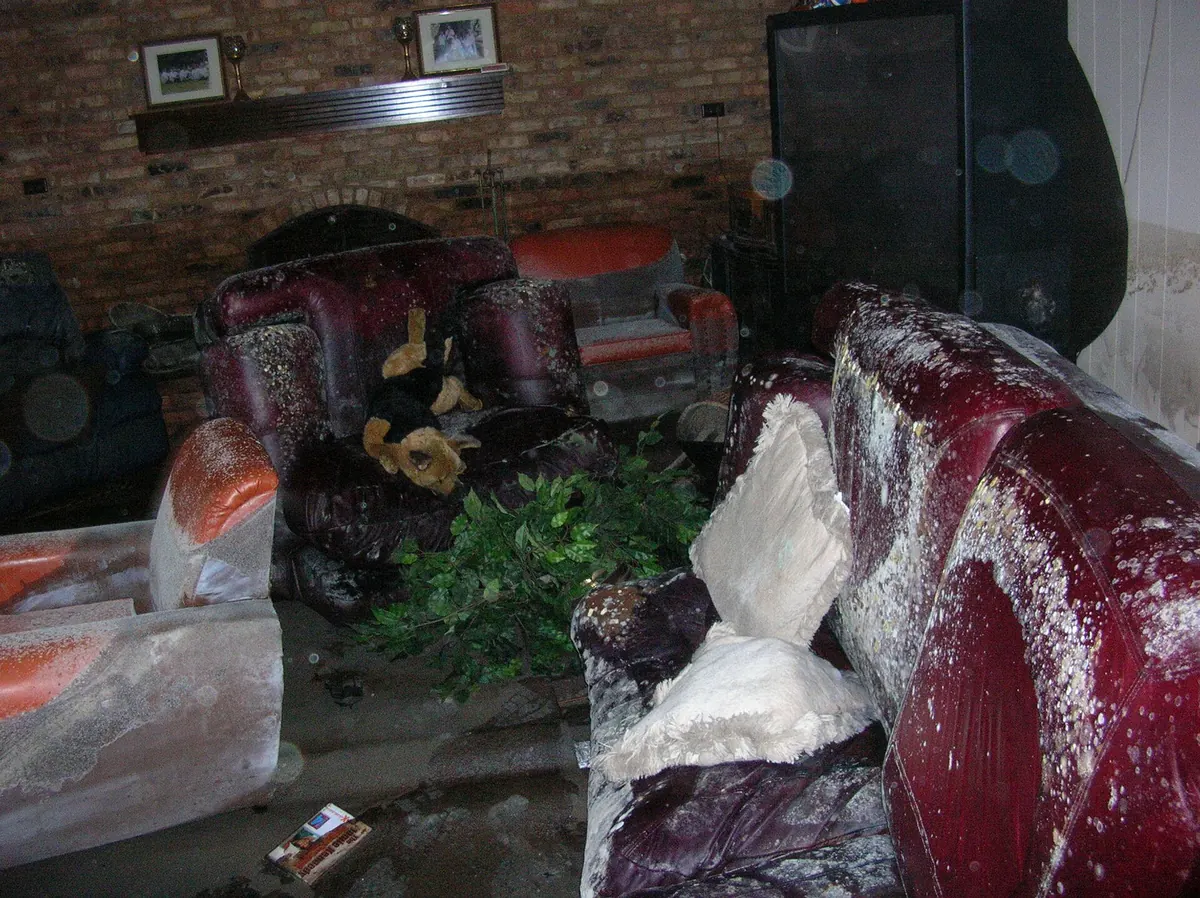
Flood and Storm Mold Cleanup Services for Brucetown
Your cleanup removes mold and damaged materials after flood water, storm surge or wind-driven rain enters your property. Walls, floors and insulation are assessed for contamination and moisture.
Your water source guides extraction, structural drying and debris clearance. For basement mold after flooding, checks reach behind walls and under floors for moisture left when standing water has drained.
Containment, cleaning, drywall removal and drying belong in your written scope. Separate items identify drainage corrections, replacement finishes and leak repair before the work gets underway.
- Flood-damaged wall and floor assessment
- Wet insulation and carpet removal
- Contained cleaning of salvageable surfaces
- Controlled Dry Out With Moisture Mapping
- Final cleaning and drying checks
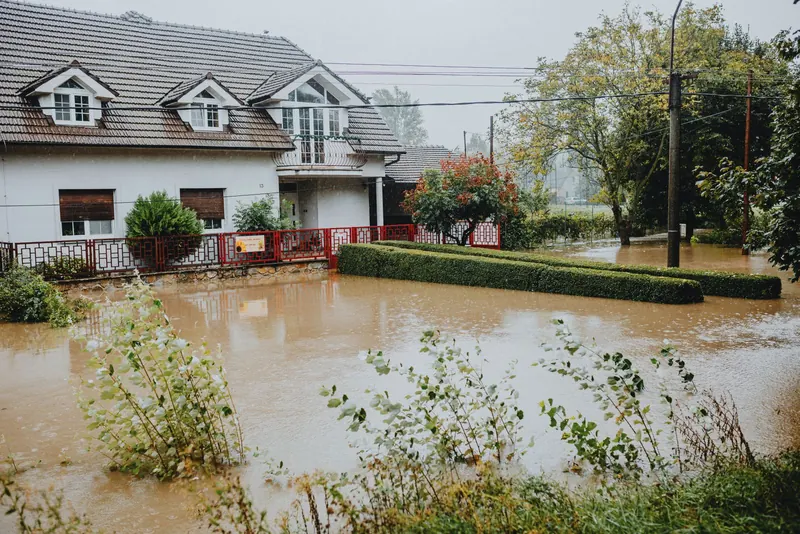
Flood and Storm Damage Signs That Call for Mold Cleanup
After heavy rain, arrange assessment for swelling in finishes, growth or musty smells.
Musty Smell After Rain
An odor that returns may signal damp cavities or water still entering.
Mold After Flooding
Visible mold growth may persist even once your floodwater has drained.
Swollen Floors and Soft Drywall
Surface cleaning alone is insufficient for your buckled floors and softened wallboard.
Flooded Basement Mold
Your lower walls may develop growth after sump pump failure or rising water.
Wet Insulation After Roof Damage
Storm water may have entered where you find wet insulation and sagging ceilings.
How Flood and Storm Mold Cleanup Works
Assessment starts your cleanup, followed by removal within containment, then drying and verification.
Flood Assessment and Moisture Mapping
Room assessment waits until entry is safe. Your damp areas are mapped with a moisture meter, while a thermal imaging camera finds temperature differences without identifying mold.
Water Source and Cleanup Scope
Tracing covers your floodwater, drainage problems and leaking roof. Your scope sets out repair needs and contamination, with water extraction and control of the source following safe entry.
Flood Work-Zone Containment
Poly sheeting creates the containment barrier. Protective equipment works with a HEPA air scrubber and negative air pressure to reduce the spread of dust and mold spores during removal.
Flood-Damaged Material Removal
Unsalvageable wet insulation, drywall and carpet pad come out while inside containment. Debris goes into bags before exiting, revealing underlying layers to assess.
Surface Cleaning
Growth and flood residue are cleared from surfaces you can keep. Antimicrobial treatment cannot substitute for cleaning or removal; a HEPA vacuum clears leftover dry residue.
Controlled Structural Drying
Following removal of contaminated materials, air movers and dehumidification aid drying. Your framing and floor assemblies receive repeated moisture readings; moisture control comes from a dehumidifier.
Verification and Containment Removal
Containment removal follows cleaning, drying and the agreed post-remediation verification. Replacement materials wait for completed checks, including clearance testing by an independent assessor if specified.
Flood and Storm Mold Cleanup: Why Choose Lexington Mold Cleanup
Removal Through Final Checks
Before containment is dismantled, removal of damaged material, cleaning of sound surfaces and drying checks take place.
Flood Moisture First
Before removal, your assessment locates storm water entry points and places where water remains.
Flood Cleanup Calls Answered 24/7
Call one number at any hour to begin your assessment anywhere in the metro.
Clear Scope and Contained Work
Your scope defines damaged materials, containment and HEPA filtration before work starts.
Preparing for Flood Cleanup in Fayette County
Keep away from affected rooms pending safe access. Make a call to schedule your assessment.
- Wait for safe entry. Follow local reentry instructions after a flood or hurricane.
- Avoid wet electrical equipment. Where outlets, appliances or damaged wiring meet flood water, keep your distance.
- Leave affected materials undisturbed. Leave growth unscraped, keep carpet in place and do not start demolishing walls.
- Keep affected HVAC equipment off. According to EPA, equipment with suspected mold contamination should not run.
- Keep people and pets away. Keep routes open for assessment and stay away from the affected area.
Brucetown, KY Mold Cleanup Cost After Floods and Storms
Your cleanup price reflects removal needs, contamination and drying. The national figures from Fixr describe distinct water damage tasks, not a total quote for mold. Flooded basement cleanup can exceed the highest listed figure because its cost is open-ended. Contaminated floodwater extraction is outside clean-water pricing.
Flooded basement cleanup
$2,000 to $85,000 per jobSource: Fixr, Water Damage Restoration Cost (checked 2026-10-23)Basement drying after a flood: 500 square feet, repairs excluded
$2,000 to $7,000 per jobSource: Fixr, Water Damage Restoration Cost (checked 2026-10-23)Water extraction, clean water
$3.75 to $4.25 for each square footSource: Fixr, Water Damage Restoration Cost (checked 2026-10-23)Water extraction, black water
$7 to $7.5 for each square footSource: Fixr, Water Damage Restoration Cost (checked 2026-10-23)Factors That Change Your Flood Cleanup Cost
- Structural drying equipment
- Water category and depth
- Materials that must be removed
- Time before drying started
- Size of the affected area
The Price of Your Flood Cleanup
These published national ranges are planning figures. Your on-site assessment defines the work and price before cleanup starts, including any separate source repairs or rebuilding.
Call (844) 352-3560 about costFlood and Storm Mold Cleanup Service Area Across Greater Lexington
Call (844) 352-3560 to arrange cleanup in Brucetown or nearby communities. One number covers the metro.
Flood and Storm Mold Cleanup in Locations Near Brucetown
ZIP codes
Frequently Asked Questions About Flood and Storm Mold Cleanup in Brucetown
Does the work also fix storm leaks and drainage issues?
Planning the cleanup involves examining the moisture source. Only the roof repairs, drainage adjustments and sump pump work listed in your scope are included. Before work starts, separate repairs are identified. Source correction helps prevent repeat wetting along the same water path, while cleaning deals with your affected materials.
Can you stay in your property during storm cleanup?
You may remain if safe separation is maintained between the cleanup zone and your occupied rooms, utility systems and exits. Temporary relocation may be necessary because of shared ventilation or flood damage. Your assessment establishes limits on access. Containment alone does not establish that staying in your property is appropriate.
Is mold likely to return following flood cleanup?
Mold can return if water problems remain or damp materials are covered. Your assessment traces water entry and continuing leaks. Before new finishes are installed, affected surfaces undergo cleaning and drying. Finishing source repairs and maintaining humidity control help prevent a return of the same conditions.
How much time does flood cleanup need in Brucetown?
Your timeline depends on safe entry and an assessment of damaged materials and contamination. You face different work for removing one room's carpet and opening up walls across a flood-affected floor. Drying follows your moisture readings. Necessary rebuilding and final checks influence when your space can be used again.
Is testing necessary on either side of flood mold removal?
With visible mold, you often do not need air sampling, according to EPA guidance. Inspection and moisture checks define the cleanup area first. Checks of cleaning and drying follow removal and precede taking down containment. When specified, clearance testing is conducted by an independent assessor. Indoor mold levels have no federally established limit.
What does flood cleanup cost in Fayette County?
Your price depends on evaluating affected square footage, contamination, drying and removal. The cost cards show national water damage ranges with different scopes and units. Adding them together does not yield your total mold cleanup cost. In your scope, source repairs and new finishes are separate from cleanup.
What needs to be removed when your property floods?
Moldy drywall and damaged porous materials such as carpet pad or wet insulation may require removal. The scope reflects contamination and what is cleanable. Accessible non-porous surfaces, along with sound framing, may undergo cleaning and drying. Hidden layers beneath flooring or behind walls are assessed during removal.
Flood Cleanup and Insurance in Kentucky
Your water source, policy exclusions, mold limits and deductible determine coverage. Water events may be treated differently under homeowners insurance versus flood insurance. Decisions about rebuilding coverage can be separate from cleanup decisions.
Flood Mold Safety Across Greater Lexington
Restrictions on your access and cleanup methods change with concealed damage and contaminated water.
Flood Deposits
Your damaged finishes, mud and silt undergo assessment ahead of cleaning and drying.
Sensitive Occupants
For some people, CDC identifies mold as a possible trigger of allergy and asthma symptoms.
Contaminated Floodwater
Even a small patch needs professional cleanup if sewage or other contamination is involved.
Black Mold After Flooding
According to CDC, you cannot judge mold risk by its color.
Cleanup scope: EPA says areas under about 10 square feet can often be homeowner-cleaned. That guidance excludes mold from sewage and contaminated water, which require professionals, as do larger areas and HVAC systems.
Fayette County Flood-Damaged Materials for Cleaning or Removal
What you can keep depends on damage, contamination and whether cleaning is possible.
Non-Porous Surfaces
- Sound tile, glass and metal are cleaned and dried where accessible.
Porous Materials
- Cleaning may be possible for sound framing; damaged insulation, drywall and carpet may have to come out.
Flood-Affected Contents
- Separate evaluations determine whether your furniture and textiles need cleaning or disposal.
Flood Cleanup Timing in Fayette County
Access must be safe before removal, drying and closing checks set your schedule.
- Access and utilities: Setting up equipment can be delayed by entry limits or unavailable electrical power.
- Extent of removal: Hidden damage can expand the affected area as finishes are opened.
- Drying and completion: Moisture readings guide readiness for repair after remediation.
Flood Cleanup in Brucetown: Odor and Humidity
When rain leaves a musty odor, your materials and moisture need checking. Damp cavities and repeated leaks remain even if you add fragrance.
EPA advises keeping your indoor relative humidity under 60 percent, with 30 to 50 percent ideal. Controlling humidity aids drying; repairs to the moisture source are still needed.
Kentucky Requirements for Flood Cleanup
Flood Work Requirements
Kentucky has no state certification or license for mold remediation companies, according to the Attorney General's office. State rules (40 KAR 2:330) do set minimum standards such as a written contract and a written assessment and remediation plan, so homeowners can ask any contractor about training and experience.
EPA Drying Guidance
Prevent mold growth by drying water-damaged spaces and belongings within 24 to 48 hours.
Repair Permits
Your structural, building or electrical work determines which permits are required.
State Mold Information
The Kentucky Cabinet for Health and Family Services, Environmental Management Branch, has a mold page with tips on humidity, cleanup and prevention. The page says the Cabinet has no authority over mold exposure or remediation.
State guidance: Kentucky Attorney General, Mold Remediation (Internet Archive copy, Oct 2024); 40 KAR 2:330 Mold remediation, Kentucky Legislature (Internet Archive copy, Sep 2026); Kentucky Real Estate Commission, KREC Form 402 Seller's Disclosure of Property Condition; Cabinet for Health and Family Services, Mold page (Internet Archive copy, Mar 2024)
Related Services and Next Steps
Start Your Flood and Storm Mold Cleanup in Brucetown
Call 24/7 to arrange your assessment. Your cleanup starts with the affected surfaces, moisture source and access to your home.