Mold Abatement in Glendover, KY
Mold and damaged materials are removed from walls, ceilings and cavities in your Glendover property. Call 24/7 to arrange an assessment and contained cleanup.
- Moisture source checked first
- Containment and HEPA filtration
- Removal through final checks
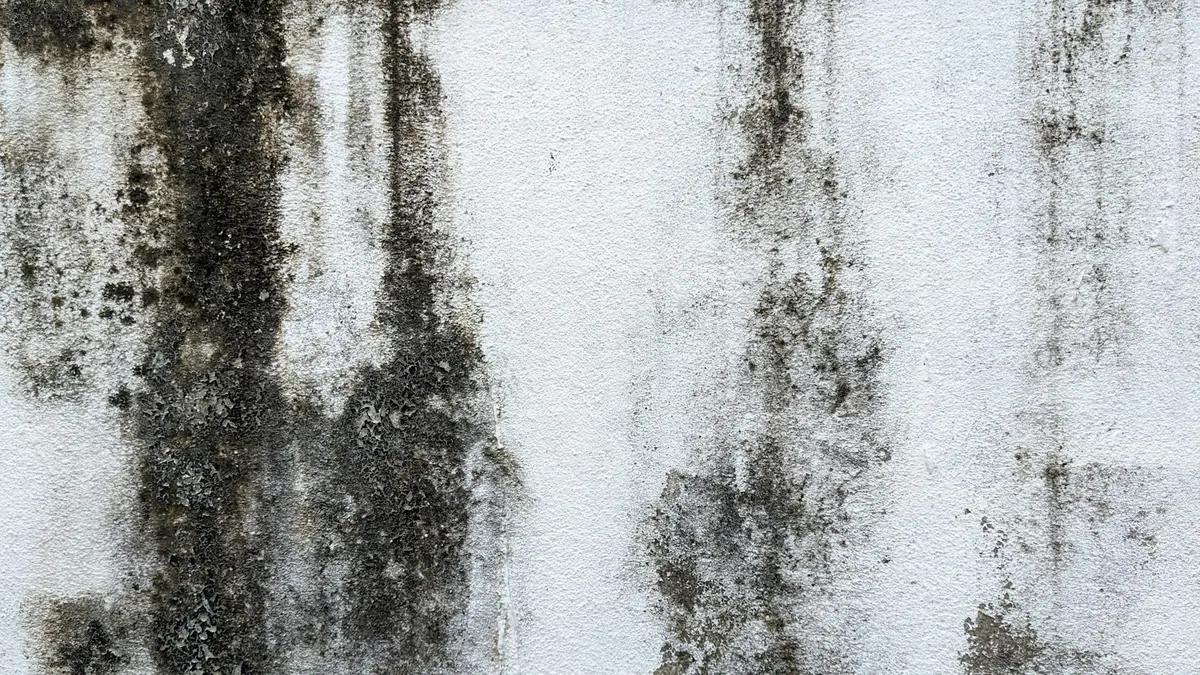
Your Mold Abatement Services in Glendover
Your cleanup removes mold and unsalvageable materials from walls, ceilings, flooring and accessible cavities. Sound framing and non-porous surfaces are cleaned and dried within containment.
The state of your ceiling tile, carpet pad, insulation and drywall guides abatement. Removal limits are defined after an assessment of mold hidden behind finished surfaces.
Tracing the source of dampness starts your job. A scope set out in writing details drying, removal, cleaning and checks at completion, listing rebuilding and leak repairs separately if required.
- Wall and ceiling cavity assessment
- Contained Work for Drywall Removal and Waste Disposal
- Hard Surface Cleaning and Sound Wood Cleanup
- Drying equipment and moisture readings
- Final cleaning and completion checks
Warning Signs That Call for Mold Abatement
An odor that persists, recurring growth or damaged finishes can point to concealed dampness.
Growth in Several Rooms
Check moisture throughout your affected rooms when adjoining walls show visible mold growth.
Mold Returns After Wiping
Dampness behind the finish persists as spots return to your walls or trim.
Mold Exposed Behind a Finish
You uncover growth out of reach of surface cleaning when carpet is lifted or a wall opened.
Persistent Musty Odor
No source is visible, but a damp smell remains in your room after cleaning.
Soft Drywall or Swollen Trim
Your trim swells or drywall becomes soft beside a leak, and growth may appear around the edges.
Mold Abatement Process Explained for Greater Lexington
Your job follows an assessed scope through contained removal, drying and verification.
Mold Inspection and Assessment
Your affected rooms undergo inspection, along with accessible cavities. A moisture meter maps dampness; a thermal imaging camera can guide investigation but does not identify mold.
Abatement Plan and Moisture Source
Tracing starts with leaks and materials holding moisture. Removal limits, separate repairs and moisture corrections are established in the abatement protocol.
Containment and Air Filtration
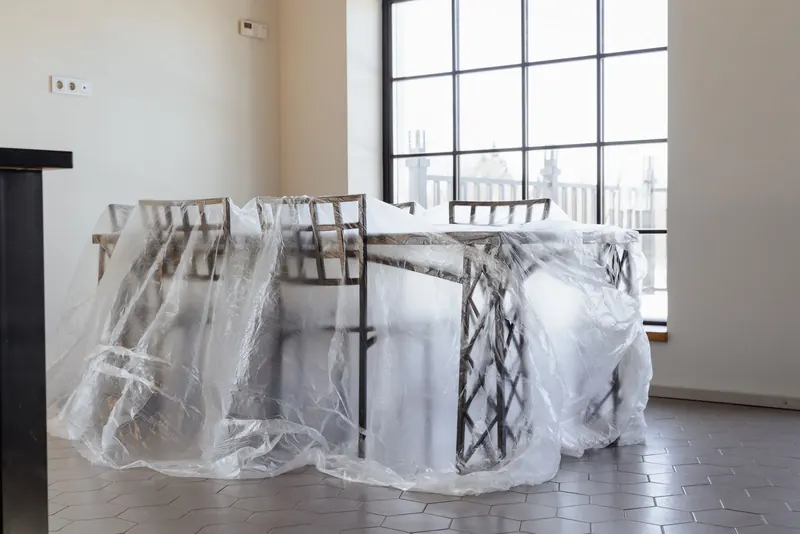
Poly sheeting is used to create the containment barrier. Protective equipment, negative air pressure and a HEPA air scrubber are matched to your scope to limit particle spread.
Removal of Contaminated Materials
Unsalvageable drywall, carpet pad, ceiling tiles and insulation are removed as needed. Wrapping takes place inside containment before waste exits through the protected path.
Surface Cleaning
Sound surfaces undergo damp cleaning and HEPA vacuum work to remove growth. Cleaning may include antimicrobial treatment as an appropriate supplement.
Drying and Moisture Control
While the water problem is fixed, controlled air movers and a dehumidifier aid drying. Checks of exposed framing and cavities use moisture readings.
Final Cleaning and Verification
Post-remediation verification checks the cleaned surfaces and drying results against the agreed scope. An independent assessor performs clearance sampling or post-abatement testing when specified.
Containment Removal
Containment comes down after completion checks. When your scope includes the work, drywall and insulation replacement and finish repairs come next.
Mold Abatement: Why Choose Lexington Mold Cleanup
Removal Through Final Checks
Before removing containment, damaged material comes out, sound surfaces receive cleaning and drying is checked.
Calls Answered 24/7
Day or night, you can start a metro-wide assessment through one number.
Clear Scope Before Work
Your removal area, cleanup and separate repairs are defined before work starts.
Contained Mold Cleanup
Containment and HEPA filtration limit the spread of mold spores from your work area and removal route.
Moisture Before Mold Removal
Tracing the water problem is part of your assessment ahead of removal and drying.
Fayette County Precautions Before Mold Cleanup
Do not disturb the affected surfaces. Make a call to schedule your assessment.
- Limit access. Keep pets and people clear of damaged surfaces and visible growth.
- Avoid wet electrical equipment. Avoid water near fixtures, wiring or electrical outlets.
- Leave finishes in place. Do not sand, brush or tear out moldy materials before containment is set.
- Avoid spreading particles. EPA advises against operating HVAC equipment suspected of contamination; never direct fans toward growth.
- Limit fresh water damage. Drying water-damaged items and areas within 24 to 48 hours helps prevent mold growth, according to EPA.
Glendover, KY Mold Abatement Cost
These national remediation ranges offer a comparison for abatement. Your price follows the affected area and material damage; testing, moisture repairs and rebuilding may cost extra.
Typical National Mold Remediation Range
$1,500 to $9,000 per jobSource: Fixr, Mold Remediation Cost (checked 2026-10-23)Typical Mold Remediation Range
$1,200 to $3,750 per jobSource: This Old House, Mold Remediation Cost (cost data credited to Angi) (checked 2026-10-23)Areas Above About 10 Square Feet: Professional Mold Remediation
Per square foot: $10 to $30Source: Fixr, Mold Remediation Cost (checked 2026-10-23)Factors Affecting Mold Removal Cost in Glendover
- Drying equipment and monitoring
- Separate testing and repair work
- Affected area size with cost per square foot
- Containment and air scrubbers
- Access behind walls and ceilings
- Material removal and waste disposal
Your Price for Cleanup Under Containment
These published national ranges are planning figures. Your on-site assessment defines the work and price before cleanup starts, including any separate source repairs or rebuilding.
Call (844) 352-3560 about costMold Abatement Service Area Across Greater Lexington
Call (844) 352-3560 to arrange cleanup in Glendover or nearby communities. One number covers the metro.
Mold Abatement in Locations Near Glendover
ZIP codes
What People Ask About Mold Abatement in Glendover
Which factors shape your mold abatement cost in Fayette County?
How much you pay depends on the affected area, drying needs, material removal and access beneath finishes. The national cost cards above show published ranges with their sources and units. Testing, source repairs and replacement finishes may be separate. Your property assessment establishes pricing and scope ahead of the cleanup.
Can you remain at your property while work takes place?
Keeping occupied rooms separate from the waste removal route and containment may allow you to remain at the property. Whether you stay depends partly on bathroom access, household requirements and shared ventilation. Some jobs require temporary relocation. Your assessment establishes access restrictions before removal starts, and reopening follows final checks and necessary repairs.
Can mold come back following abatement?
Leaving the water problem unresolved can allow mold to return. Your assessment tracks down condensation, leaks and retained dampness ahead of cleanup. Rebuilding comes after affected materials are cleaned or removed and surfaces have dried. Finishing moisture repairs and maintaining humidity control helps keep the same conditions from returning.
Do you need mold testing ahead of removal or afterward?
With visible mold, air sampling is often not needed, according to EPA. Inspection and moisture checks establish the work area. Before dismantling containment, checks verify both drying and cleaning. When specified, clearance testing is conducted by an assessor working independently. No federal limit sets the allowable level of mold indoors.
Is the moisture problem fixed too?
During assessment, the moisture source is found; planning defines needed corrections alongside cleanup. Only repairs listed in your scope are included, whether for plumbing, ventilation or the roof. Work starts after separate repairs have been identified. Checks confirm drying and look for unresolved moisture in open cavities before replacement finishes conceal cleaned surfaces.
How much time does mold cleanup need in Glendover?
Access, affected rooms and how materials have held up shape your schedule. Cleaning a reachable surface takes less work than removing damaged drywall from multiple rooms. Drying proceeds according to moisture readings. Separate rebuilding, along with any specified clearance testing, also influences when you can use your rooms again.
Which materials need removal within containment?
Drywall, insulation, carpet pad and ceiling tile may need removal when beyond saving. Sound framing and accessible hard surfaces can often be cleaned and dried. Your scope follows each material's condition. Your visible wall patch may be smaller than the removal area needed for concealed damage.
Mold Cleanup and Insurance in Kentucky
Insurance coverage depends on the moisture cause, policy exclusions, mold limits and deductible. Cleanup and repairs may receive different coverage decisions.
Safety During Mold Cleanup in Greater Lexington
Restricting access alongside containment limits mold spores spreading as damaged material is torn out.
Sensitive Occupants
CDC notes that mold can trigger allergy and asthma symptoms in some people.
Mold Color
CDC says color does not tell you how risky a mold is.
Contaminated Water
You need help from professionals familiar with those conditions for mold from sewage or contaminated water.
Older Building Materials
Hazardous materials may require an assessment of their own before you disturb finishes.
Cleanup scope: For areas below about 10 square feet, EPA says homeowner cleaning is often possible. For larger areas, contaminated water or HVAC systems, you need professional help.
Cleanup or Removal of Mold-Affected Materials in Fayette County
Your materials stay only as their condition and ability to be cleaned allow.
Non-porous surfaces
- Backing gets a separate assessment while sound glass, glazed tile and metal undergo cleaning.
Porous materials
- Cleaning may suit sound wood; disposal may be necessary for moldy ceiling tile and insulation, drywall and carpet.
Contents and finishes
- Verification comes before replacement finishes, and belongings receive their own assessments.
Mold Cleanup Timing in Fayette County
Your timeline depends on removal area, how drying advances and verification as agreed.
- Access and removal: Concealed damage and multiple affected rooms can add work.
- Material drying: Closing exposed cavities depends on readiness shown by moisture readings.
- Verification and repairs: Specified clearance testing and replacement finishes affect when your rooms reopen.
Glendover Mold Odor and Humidity
Your lingering musty smell calls for checks of materials and moisture. Adding fragrance leaves the source in place.
After cleanup, managing humidity helps you prevent moisture. EPA's ideal indoor relative humidity is 30 to 50 percent, with a recommendation to stay below 60 percent.
Understanding Mold Work Requirements in Kentucky
Mold Contractor Requirements
Kentucky has no state certification or license for mold remediation companies, according to the Attorney General's office. State rules (40 KAR 2:330) do set minimum standards such as a written contract and a written assessment and remediation plan, so homeowners can ask any contractor about training and experience.
Building Repairs
Permit rules vary with the plumbing, structural or electrical tasks in your scope.
EPA Guidelines for Drying
Drying should take place within 24 to 48 hours for water-damaged items and areas to prevent mold growth.
State Mold Information
The Kentucky Cabinet for Health and Family Services, Environmental Management Branch, has a mold page with tips on humidity, cleanup and prevention. The page says the Cabinet has no authority over mold exposure or remediation.
State guidance: Kentucky Attorney General, Mold Remediation (Internet Archive copy, Oct 2024); 40 KAR 2:330 Mold remediation, Kentucky Legislature (Internet Archive copy, Sep 2026); Kentucky Real Estate Commission, KREC Form 402 Seller's Disclosure of Property Condition; Cabinet for Health and Family Services, Mold page (Internet Archive copy, Mar 2024)
Related Services and Next Steps
Start Your Mold Abatement in Glendover
Call 24/7 to arrange your assessment. Your cleanup starts with the affected surfaces, moisture source and access to your home.